What makes a good charcoal smoker
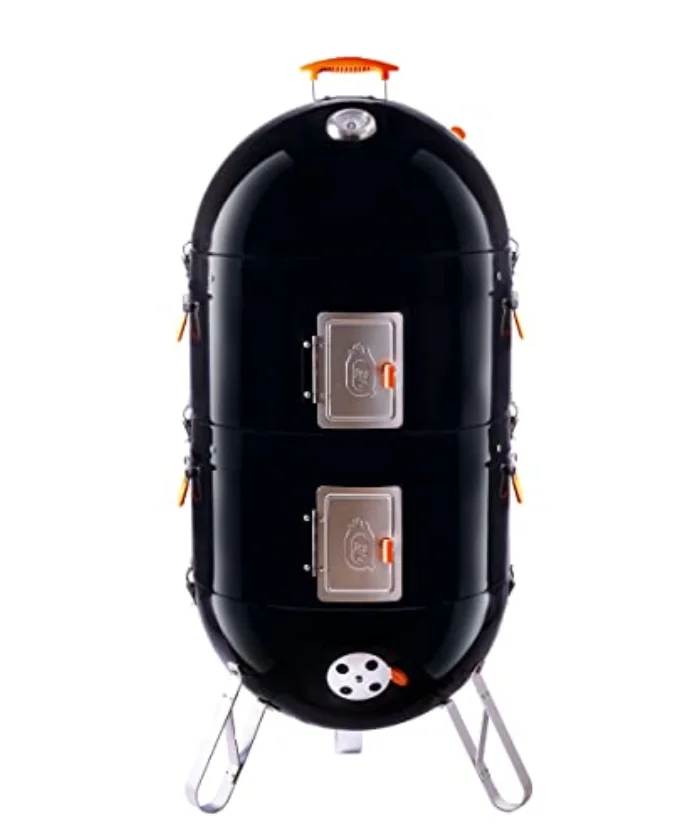
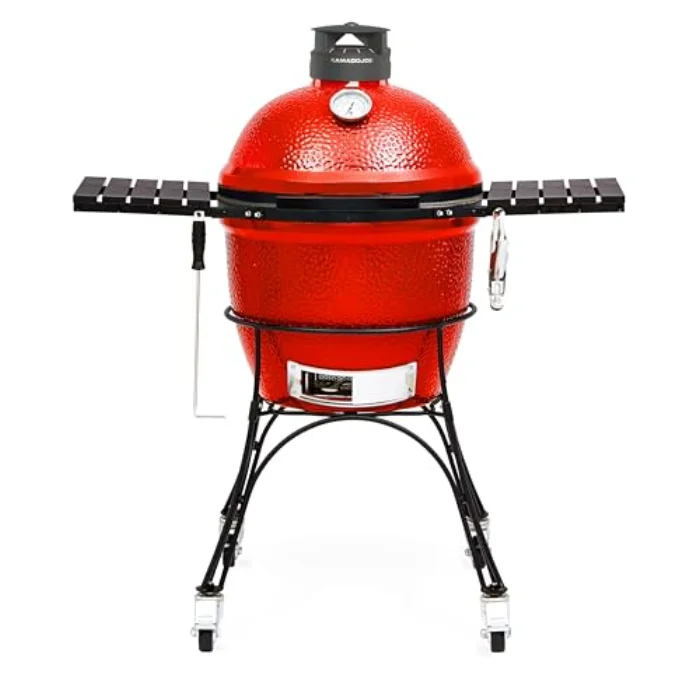
Good smoking comes down to one thing above all: the ability to hold a low, steady temperature, usually around 105 to 120 C, for many hours without constant fiddling. Three features make that easy. The first is insulation or a sealed body that resists the weather, which is why a thick ceramic Kamado Joe Classic II or an insulated bullet like the ProQ Excel 20 hold temperature so well. The second is precise airflow control, ideally separate intake vents you can fine-tune, since smoking is all about restricting the fire to a slow burn. The third is a water bowl or heat sink, which steadies the temperature and keeps the meat moist over a long cook. A dedicated smoker has all three; a good kettle can do the job with the right technique.
What temperature to smoke at
Most low-and-slow barbecue is cooked at around 105 to 120 C. At that temperature the connective tissue (collagen) in tough cuts slowly breaks down into gelatine over many hours, turning a chewy brisket or pork shoulder meltingly tender while it takes on smoke. Too hot, above about 150 C, and the outside cooks before the inside renders; too cool, below about 95 C, and it can stall for too long. You hold the target with the air vents, opening them a touch to raise the heat and closing them to lower it, and you give it time: a brisket can take 10 to 14 hours, ribs 5 to 6. The grills that hold temperature most precisely, the ProQ at 110 C for eleven hours and the Kamado Joe at 120 C within three degrees for fourteen, make hitting that window almost effortless.
The minion method
The minion method is the classic way to make a charcoal smoker run for many hours on a single load, and it is simple. You fill the charcoal basket with unlit briquettes or lump, then tip a small amount of lit coals on top of one side. The lit coals slowly ignite the unlit ones next to them, working gradually through the pile rather than all at once, so the fire creeps along for hours at a low, steady output. You set your intake vents to hold the target temperature, add a few wood chunks for smoke, and walk away. This is how the ProQ Excel 20 achieves its eleven-hour runtime, and it works in any sealed smoker or a kettle. It takes a cook or two to learn your exact vent settings, but once you have, it is genuinely set-and-forget.
Smoking on a normal kettle
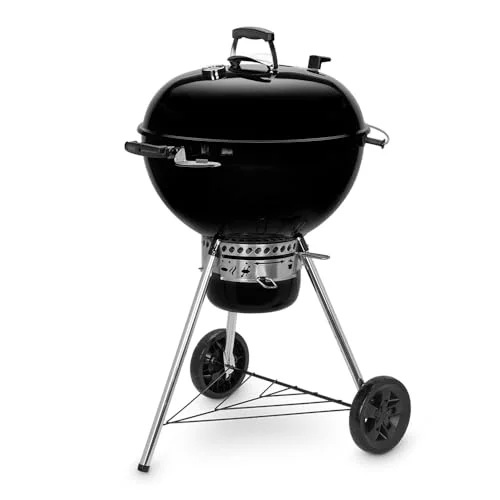
You do not need a dedicated smoker to start; a good kettle smokes well with a two-zone fire. Bank the lit coals to one side of the bowl, leaving the other side empty, place the food on the cool side away from the direct heat, add a few wood chunks to the coals, put the lid on with the vents nearly closed, and you have a low-temperature smoker. A 57cm kettle like the Weber Master-Touch is one of the best at this, holding a low temperature steadily thanks to its sealed enamelled bowl, and it comfortably handles ribs or a small pork shoulder. The limit is duration: a kettle's smaller charcoal capacity means you may need to top up coals on a very long cook, where a bullet smoker runs all day untouched. For occasional smoking, though, a quality kettle is plenty, and it grills the rest of the time too.
Our advice: which to buy for smoking
If smoking is your main goal, buy a dedicated bullet smoker: the ProQ Excel 20 is our top pick, holding 110 C for eleven hours on one load and expanding from two grates to four for a big batch of ribs. If you want one BBQ that smokes well and also grills day to day, a 57cm kettle is the smart all-rounder, and the Weber Master-Touch GBS E-5750 is the best of them, smoking nicely with a two-zone fire. And if budget is no object and you want the very best at smoking, searing and everything else, the Kamado Joe Classic II holds temperature within a few degrees for over twelve hours. Whichever you choose, the routine is the same: aim for 105 to 120 C, use the minion method for a long burn, add wood for smoke, and give it time. To choose the right grill overall, read our full buying guide and our how we test page.