Type: kettle, barrel, smoker or kamado
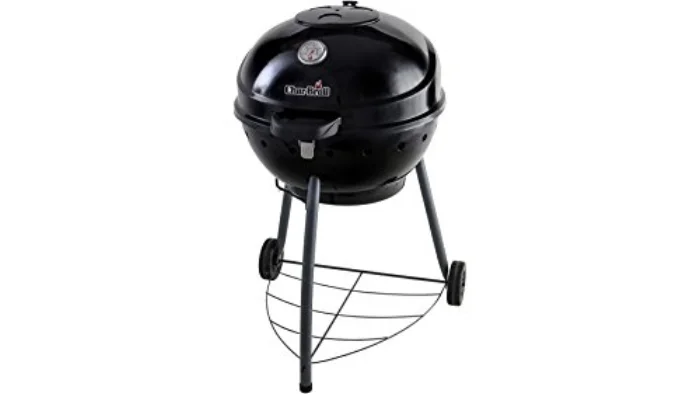
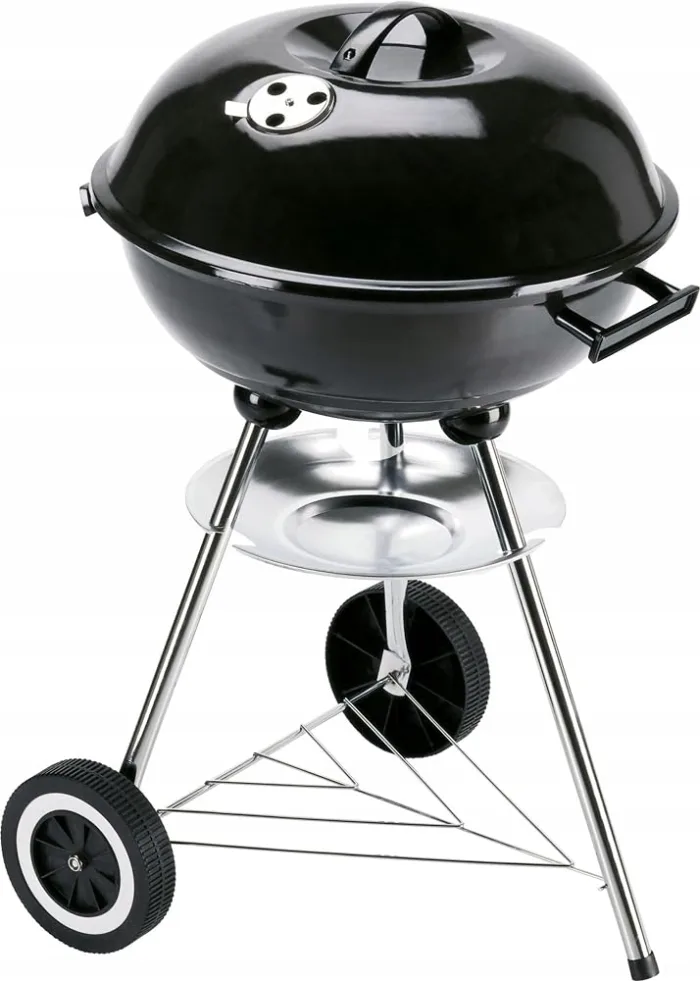
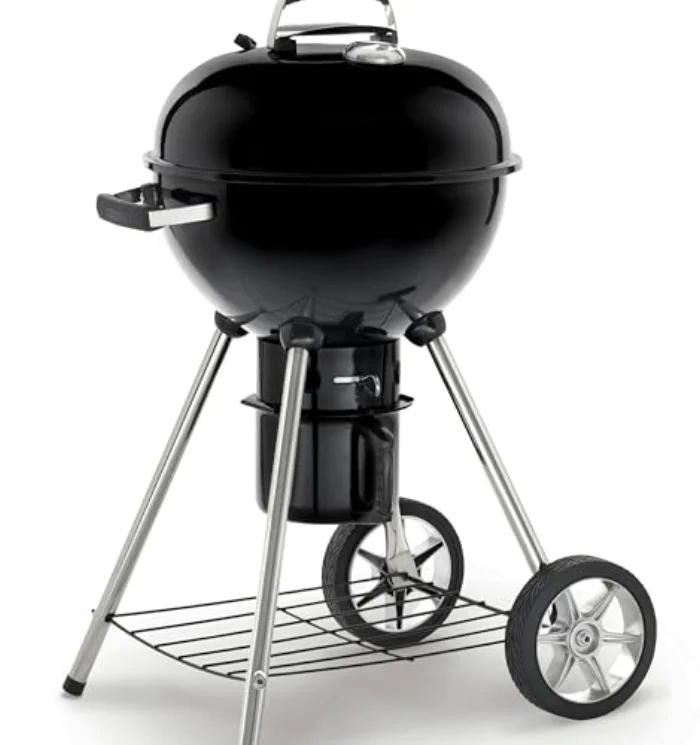
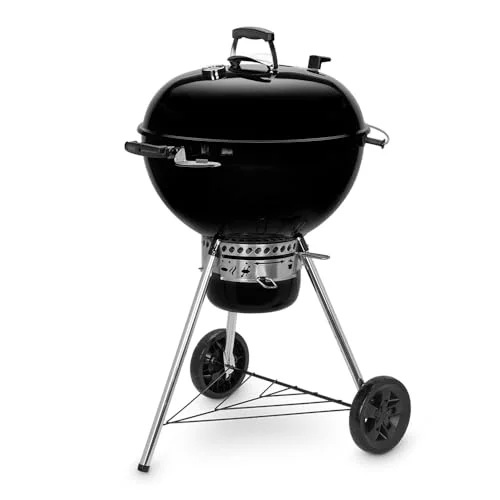
The single biggest decision is the type of BBQ, because it shapes everything the grill is good at. A kettle is the classic all-rounder: a round bowl with a lid and adjustable vents that grills, roasts and can smoke, and for most households it is the right answer. The Weber Master-Touch, the Char-Broil Kettleman and the Napoleon NK22CK-C are all kettles. A barrel trolley such as the Landmann Black Taurus 660 is a cheaper way to get a big flat grate for a crowd, with side tables and an adjustable charcoal height, though its thinner body holds heat less well and it cannot really roast or smoke.
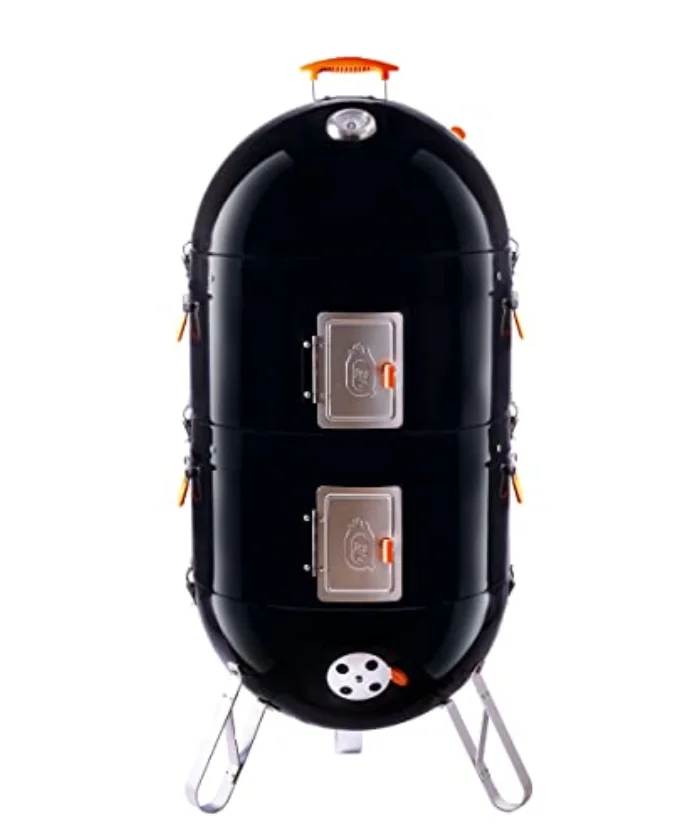
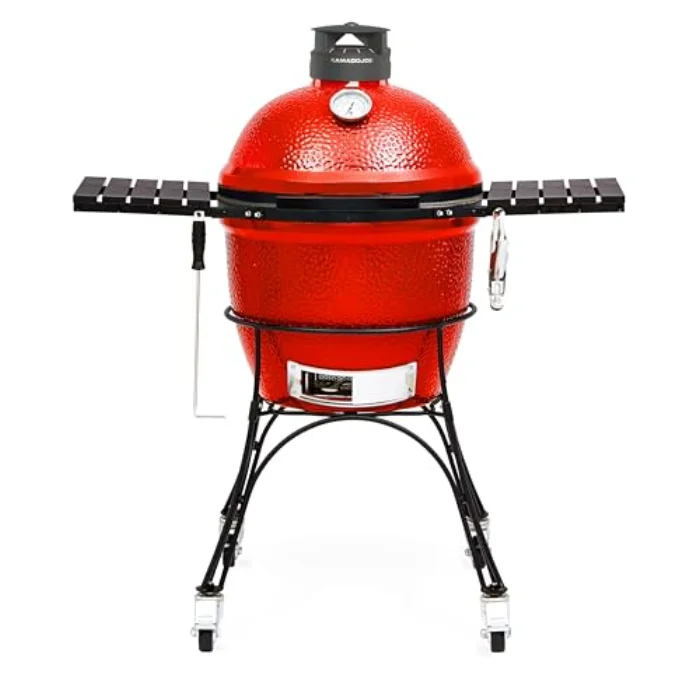
For specialists, two other types matter. A bullet water smoker like the ProQ Excel 20 is built to hold a low temperature for many hours, the easiest way to smoke ribs and brisket, but it is not a quick griller. And a ceramic kamado such as the Kamado Joe Classic II does everything to the highest standard, smoking, searing, roasting and baking, but it costs the most and weighs over 100 kg. Decide how you mostly cook first: a kettle for general use, a barrel for cheap capacity, a smoker for low-and-slow, a kamado if you want the best of everything and will use it often. Our kamado vs kettle guide compares the two most popular shapes in depth.
Size and cooking area
Cooking area, measured in square centimetres, is the number that tells you how many mouths you can feed at once, so ignore the marketing and look at the grate. As a rough guide, a 57cm kettle gives around 2,500 cm2, enough for about 12 to 15 burgers or a family roast, which suits most homes. A barrel grill with a long 60 x 40 cm grate (2,400 cm2) lays out a tray of sausages more naturally than a round bowl, so it is good for parties. A small 47cm kettle (around 1,700 cm2) suits a couple or a small balcony. If you mainly smoke, a stackable bullet smoker like the ProQ grows from two grates to four for a serious batch of ribs.
It is worth sizing up slightly if you regularly cook for a crowd, because a grill that is too small forces you to cook in batches while the first plate goes cold, whereas a little spare capacity is never wasted. But do not chase the biggest grate for its own sake: a larger BBQ uses more charcoal and takes longer to come up to heat, so match the size to how you actually cook rather than the largest party you might one day host. The Coal Bed chart on our best charcoal BBQ page draws every grill's footprint to scale so you can compare them at a glance.
Heat control and the vents
The worry that puts people off charcoal is heat control, and it is the easiest thing to learn: you control the temperature with the air vents, not the charcoal. Opening the bottom and top dampers feeds the fire oxygen and raises the heat; closing them down starves it and lowers it. A good BBQ therefore has adjustable vents both top and bottom, like the dual dampers on the Weber Master-Touch; a single vent, as on cheaper kettles, still works but gives you less fine control for long low-and-slow cooks. A barrel grill like the Landmann instead controls heat by raising or lowering the charcoal tray, which is cruder but workable for grilling.
The other essential skill is the two-zone fire: bank all the lit coals to one side of the bowl, leaving the other side without direct heat. Now you can sear food over the coals, then move it to the cool side, close the lid and let it finish gently without burning, and you can hold a low temperature on the cool side for smoking. The Napoleon NK22CK-C includes charcoal rails to make this easy. Master the vents and the two-zone fire and a charcoal BBQ becomes every bit as controllable as gas, with far better flavour. A lid with a built-in thermometer helps, though a cheap probe thermometer is a worthwhile add-on for accuracy.
Lump charcoal vs briquettes
The fuel you burn matters almost as much as the grill. Lumpwood charcoal is simply charred wood: it lights faster, burns hotter and gives a cleaner, more natural smoke, which makes it the choice for searing and for purists, though it burns through quicker and the piece size varies. Briquettes are compressed charcoal dust, often with a binder: they light a little slower but burn longer and more evenly at a steadier temperature, which makes them ideal for long low-and-slow cooks and for the minion method in a smoker. Many cooks keep both, lump for a hot, fast steak night and briquettes for an all-day brisket. Whichever you use, a chimney starter is the single best accessory you can buy: it lights coals evenly in 15 to 20 minutes without lighter fluid and the off-flavours it brings.
How much to spend
For most buyers the sweet spot is £120 to £300. Below about £80, the cheapest BBQs use steel so thin that the grates rust within a season, the heat blows away in the wind and the lid does not seal, which makes good cooking genuinely hard. From £120 you get a roomy budget barrel like the Landmann Black Taurus 660 that does the everyday job for a few summers. Around £170 to £260 buys a quality enamelled kettle such as the Char-Broil Kettleman or the Weber Master-Touch that holds heat properly and lasts a decade, which is where most people should aim. Above that you pay for specialism: a dedicated ProQ Excel 20 smoker at £339, or a near-lifetime Kamado Joe Classic II at around £1,199. Whatever you spend, set aside a few pounds for a chimney starter and good fuel; they improve your results more than another £50 on the grill itself.